Hail Storm
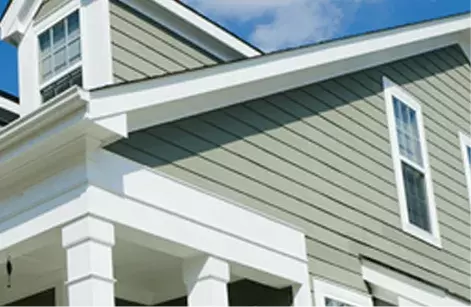
Hail’s Effects on Roofs and Hail Resistant Roofing Options
Colorado’s Front Range has the ominous nick name “Hail Alley.” Hail Alley receives the largest hail more frequently than anywhere else in North America and most of the world. Residents in Hail Valley can count on at least three damaging hail storms each year. Hail causes serious property damage each year. In the last decade, hail has caused more than $3 billion in insured damage in Colorado alone.
Common Types of Roof Damage
The indicators of damaged roofs are distinct and are dependent on the type of roof you own. The list below are some typical types of damage that your roof can have.
1. Cracks and Tears – As the years pass, roofs comprised of tiles or shingles could begin to break. Cracks could lead to leaks within the attic or crawlspace. Cracks might not be visible from the ground. Certain cracks may be too small to be detected without a close examination.
2. Hail Damage – It can be hard to determine hail damage to your roof following a storm. It isn’t necessary to climb up on your roof to see if there has been any damage. There are different ways to check for actual damage. Inspect your gutters for dings and dents. If the rain has damaged your gutters most likely is hail damage on your roof. It is also possible to look at the drain spouts of your home. The roof damage can show black mineral deposits in the downspouts.
3. Wind Damage – The stress levels of wind are more around the corners of the roof. Wind can cause roofing materials to loosen around the corners. Once the roof is being pushed upwards by the wind, it can pull the roof down, which exposes its bottom. The rain and hail can get in and the looser the roof is, the more wind can grasp on to it to tear it off. Another form of damage caused by wind to a roof is flying debris. This debris can create obstructions to drain pipes and lead to flooding.
4. Debris – From the gutters and downspouts, to the drain openings, debris can cause harm to your roof’s drainage system. Organic debris such as leaves can create fungal growth or dark brown or black staining on the roof. Moss can develop from this kind of debris. It can decrease the life span of your roof due to its ability to hold the moisture in high-value locations. The moisture may also freeze depending on the location of your house is.
Hail Roof Damage – What to Look For
You must be able recognize hail damage to your roof to file a claim with your insurance company. You must be able recognize hail damage in just one glance. If you are aware of what to be looking for, you can survey your own roof for a quick assessment. If you’ve got a solid idea that you do have roof damage due to hail, you can then ask your insurance company for their own surveyor with greater certainty.
- Gutters And Vents
Experts believe gutter down spouts could be a great place to look for damages, as are vents. After a hailstorm it’s a great idea to stroll around and inspect these areas.
- Granules
If you own asphalt shingles, the thing you’d need to look for are asphalt granules that are taken off. There could be some granules that have been deposited on a new roof. What you should be looking for is an over amount, far greater than the normal.
- Dings
If the hail is powerful enough to cause a scratch in our gutters’ metal It is also strong enough to damage your roof.
- Walk Your Roof
Make sure you do this only if it’s safe. You are looking for small scratch marks. You should not see more than one per square foot. The roof must be replaced. The moisture can cause the roof to become deteriorated which can allow water into your home.
Causes of Roof Damage
A roof is an essential but not the most important, components to your home. Roofs can be damaged through a myriad of causes that are not easily visible. Regular inspections must be conducted by skilled professionals who will identify these problems. Roof damage can lead to more expensive and longer-lasting problems for your home if not discovered.
How to Repair Roof Damage From Storms
The first thing you need to do in order to repair roof damage from storms is to identify what the damage is. It is easy to assess the damage and determine whether you need to replace support beams or if you just need to replace some shingles. It’s recommended to examine the attic for structural issues. In most cases there won’t be any. However, in severe storms that bring flying debris and hail, it is possible to see some damage.
Hail Storm Roof Damage FAQs
Protecting the structural integrity of your roofing system should be a top priority, as it is one of the most important aspects of any fundamental home maintenance and repair agenda. As soon as your roof begins to show signs of damage or reduced performance, it is wise to contact a licensed roofing company who can locate the source of the damage and make any professional repairs or adjustments as needed. The sooner you catch a roof problem and deal with it, the less costly and invasive the repair process will be. This includes professional post-storm inspections to ensure your property is still intact.
Since most homeowners are not roofing experts, it is common to have a lot of questions and concerns when it comes time to repair a roof. Continue below to read some frequently asked questions about roof repair and replacement to gain a better understanding of your roofing system’s needs after a harsh storm.
- If There is Only a Small Amount of Damage, Should I Still Repair My Roof?
Even if you only have a small amount of damage, you must have it repaired to protect the true structural integrity of your roofing system. Neglecting to repair small damages can lead to costlier ones down the line, like water damage.
- Will My Insurance Carrier Drop Me if I File a Roof Repair Claim?
Since storm damage is something that is mostly out of your control, it is very unlikely that your homeowners’ insurance carrier will drop your policy. In fact, it is illegal for them to do so in most states. It is possible that there are exceptions to this rule, but in most cases, your policy will not be canceled for filing a storm damage repair claim.
- Will My Insurance Carrier Increase My Rates if I File a Roof Repair Claim?
It is common for insurance carriers to raise everyone’s rates across the board after a severe storm or natural disaster. One way to look at this is that you should file a claim for repair since you are already going to help pay for everyone else’s. It is possible that there are exceptions to this rule as well.
- Why is My New Roof Not Covered By the Manufacturer’s Warranty?
It is very common for roof product manufacturers to exclude hail repairs in their warranties. In fact, several warranties specifically name hail as a non-covered repair. Keep in mind that newer roofs are more prone to hail damage since they have not yet had ample time to cure and gain resistance against the natural elements. To avoid this problem, talk to a trusted contractor about the affordable hail damage protection options available to you.
- Do I Have Storm Damage if All My Shingles are Still Intact?
Missing shingles are not the only indication of storm damage. A storm can cause all sorts of problems for a roof, many of which are undetectable at first glance. For this reason, it is important to understand that your roof may still have been damaged in a severe storm even if it looks like it is in the same condition as before.